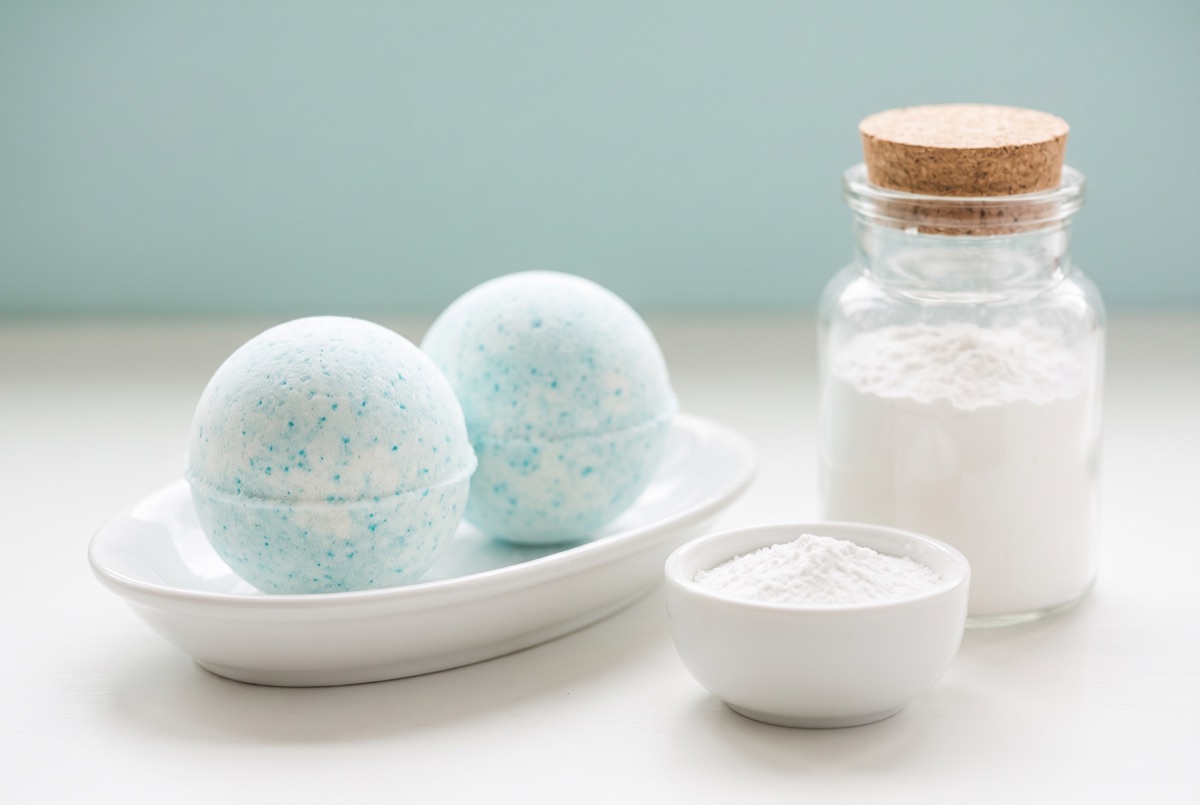
Bath Bomb Recipe Without Citric Acid
Citric acid is what makes a bath bomb roar. If you are out of it, or your skin reacts to it, cream of tartar is the substitute worth using. It is a mild acid, so it still reacts with baking soda in water - just quietly.
Set your expectations first. A cream of tartar bomb foams and dissolves. It does not put on a show. If you want the big fizz, nothing else in a home kitchen matches citric acid.
Why it works
A bath bomb is one reaction: an acid meets baking soda in water and releases carbon dioxide. Any food-safe acid can play the acid part. Citric acid is simply the strongest and cheapest one, which is why every recipe reaches for it.
Cream of tartar is a weaker acid, so it releases gas more slowly. You get a soft foam over a minute or two instead of a burst.
What about lemon juice?
Do not use liquid lemon juice. It is water, and water starts the reaction inside your bowl. Powdered lemon juice works, but it is usually harder to buy than plain citric acid, which defeats the point.
The ratio change that matters
Our base recipe uses two parts baking soda to one part citric acid. Keep that same two-to-one ratio with cream of tartar. Do not add extra to chase more fizz - the mix goes soft and will not hold a shape.
Drying takes longer
This is where most people go wrong. Cream of tartar holds on to moisture, so a bomb that feels firm at hour six can still crack overnight. Give it a full day somewhere dry before you wrap it.
If yours crumble, crack, or refuse to harden, the causes are the same as always - see the troubleshooting guide.
Ingredients
- 1 cup baking soda
- 1/2 cup cream of tartar
- 1/2 cup cornstarch
- 1/4 cup Epsom salt (optional)
- 1 tbsp almond oil, or any light carrier oil
- 1/2 tbsp polysorbate 80 (only if you add colour)
- Witch hazel in a spray bottle
Instructions
- Whisk the baking soda, cream of tartar, cornstarch and Epsom salt until no lumps remain. Cream of tartar clumps more than citric acid, so sift it if you can.
- Stir the oil and polysorbate 80 together, then drizzle into the dry mix while whisking.
- Spritz with witch hazel one pump at a time. Stop the moment a squeezed handful holds together without crumbling.
- Pack both mould halves, overfill one side, and press together. Do not snap them shut.
- Unmould after about two minutes and dry for a full 24 hours - longer than a citric acid bomb needs, because cream of tartar holds moisture.
Is it worth it?
If citric acid irritates your skin, yes - this is a real alternative and it still makes a proper bath treat. If you simply ran out, buy more citric acid. It is inexpensive, it stores for years, and it is the reason bath bombs are fun.