Starting a Bath Bomb Business: What It Actually Takes
Making a good bath bomb is the easy part. Turning it into a business trips people up somewhere else entirely - usually pricing, or labelling.
What a bath bomb costs to make
Ingredients for a standard 2.75” bomb land somewhere near a dollar, sometimes less if you buy in bulk. Baking soda and citric acid are cheap. Fragrance oil is what moves the number - a good one can be half your cost on its own.
Then come the costs makers forget: the mould, the shrink wrap, the label, the box, and the postage. Shipping is the killer. Bath bombs are light but bulky, and they break. Packing them so they survive a courier costs more than the bomb did.
What you can charge
Handmade bath bombs sell for roughly four to eight dollars each at craft markets, more for large or decorated ones. That sounds like a healthy margin against a one dollar cost - until you count your time. A batch takes hours, and most makers who quit did the maths on their hourly rate.
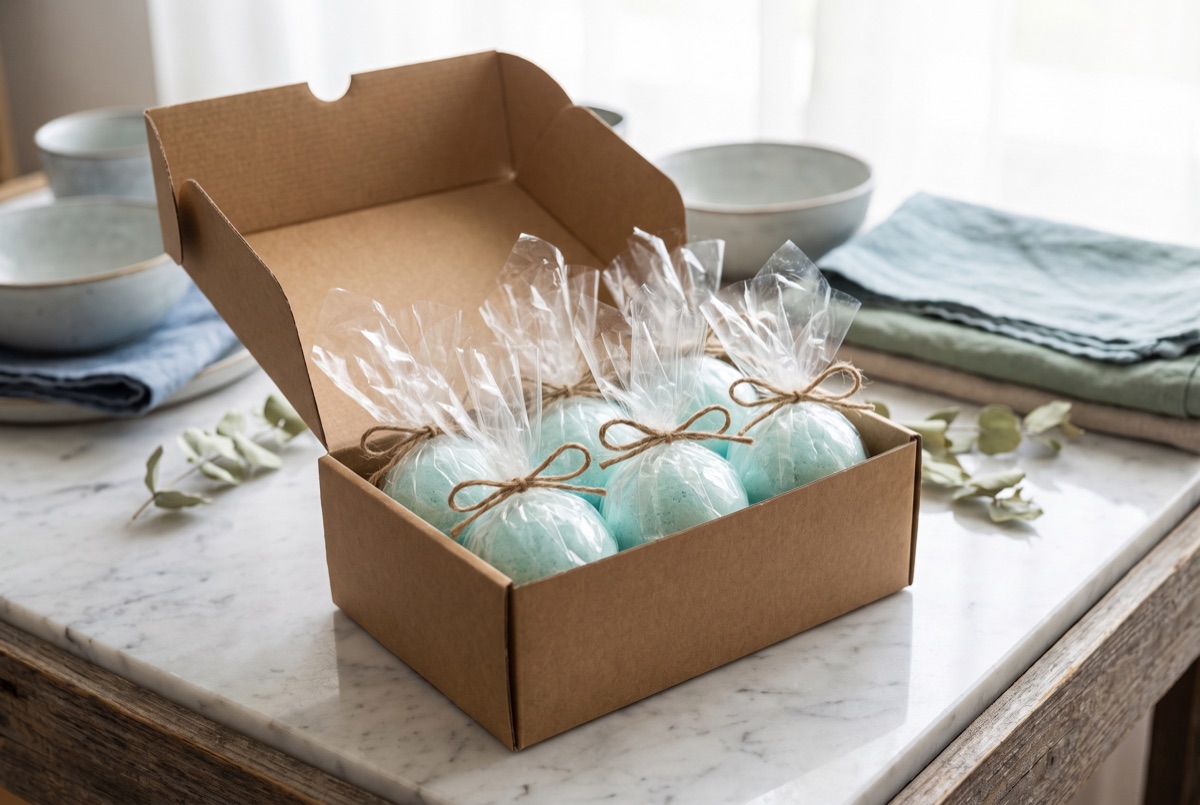
The makers who do well sell sets, not singles. A boxed set of six carries the packaging cost better and raises the order value without much more work.
The labelling rules
This is the part that surprises people. In the United States a bath bomb is a cosmetic, and cosmetics have labelling requirements - an ingredient list in descending order, your business name and address, and net weight. Claims matter too: the moment you say a product treats a condition, it is regulated as a drug, which is a different and much heavier set of rules.
Check the FDA's own cosmetics guidance before you print labels, and talk to someone qualified if you are unsure. Reprinting labels is cheap. Getting it wrong is not. This page is not legal advice.
Insurance
Product liability insurance is standard for anyone selling body products, and most craft markets will ask to see it before they give you a table. Get a quote early - it is usually less than people fear, and it shapes whether the numbers work.
Where to sell
Craft markets teach you the most fastest. You watch which scents people pick up, which ones they put back, and what they say. That feedback is worth more than a month of guessing.
Online is a slower build. Etsy has the buyers but takes a cut and puts you beside thousands of other makers. Your own shop keeps the margin but you have to bring the traffic yourself.
Start smaller than you think
Make one recipe extremely well before you make ten. A maker known for one perfect bomb sells more than one with a confusing table of twenty. Get the base recipe right, learn to fix it when it fails, then expand.